




What "made in Europe" means
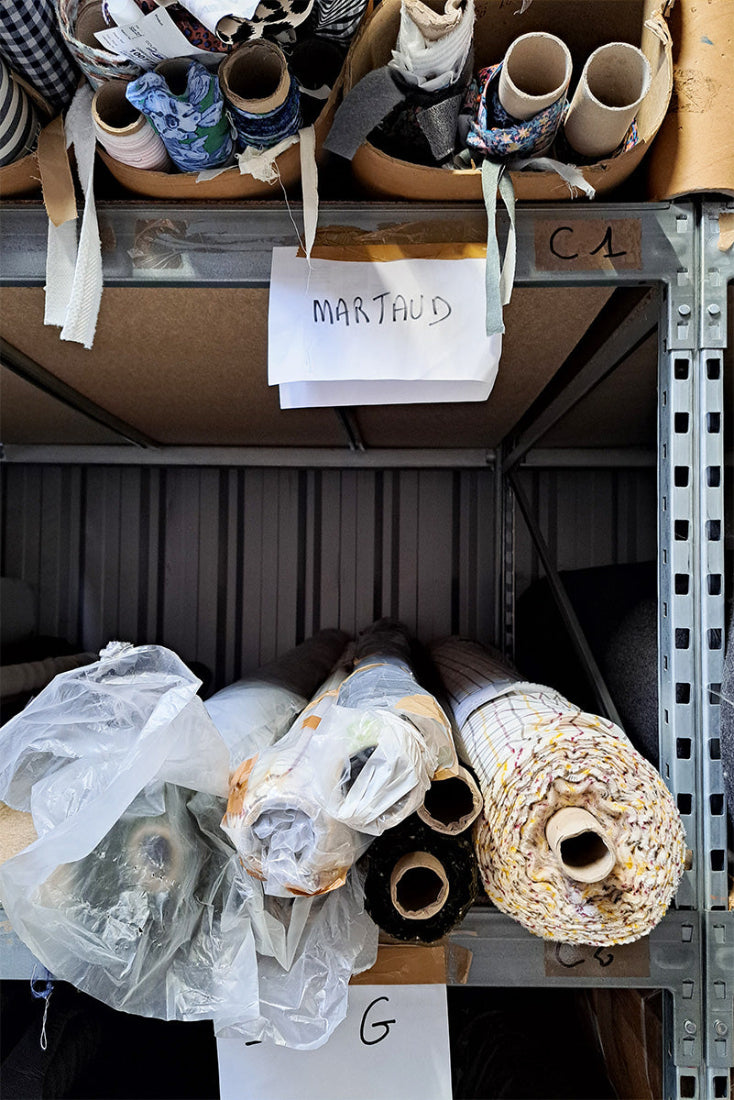
For decades, Europe dressed the world. But starting in the 1990s, Western brands moved away, drawn by much lower labor costs in Asia. Little by little, workshop after workshop, patiently woven expertise faded: Portuguese seamstresses, Italian embroiderers, French tanneries, Greek knitters—all saw their art become rare.
Yet, this economy has not disappeared. It is resisting, and one can even feel a stir. Faced with the impact of distant production, a part of the industry is choosing to return closer, while provenance is becoming, for many, an essential criterion.
Every piece made in Europe, carefully chosen, extends the life of these workshops. This is what GAOPÉ wants to offer: the possibility to choose clothes and accessories that make this economy thrive.
What "Made in Europe" Means
These three words deserve a precise definition. That's why we rely on the legal framework of reference, the one that gives a binding definition to origin: the European Union Customs Code.
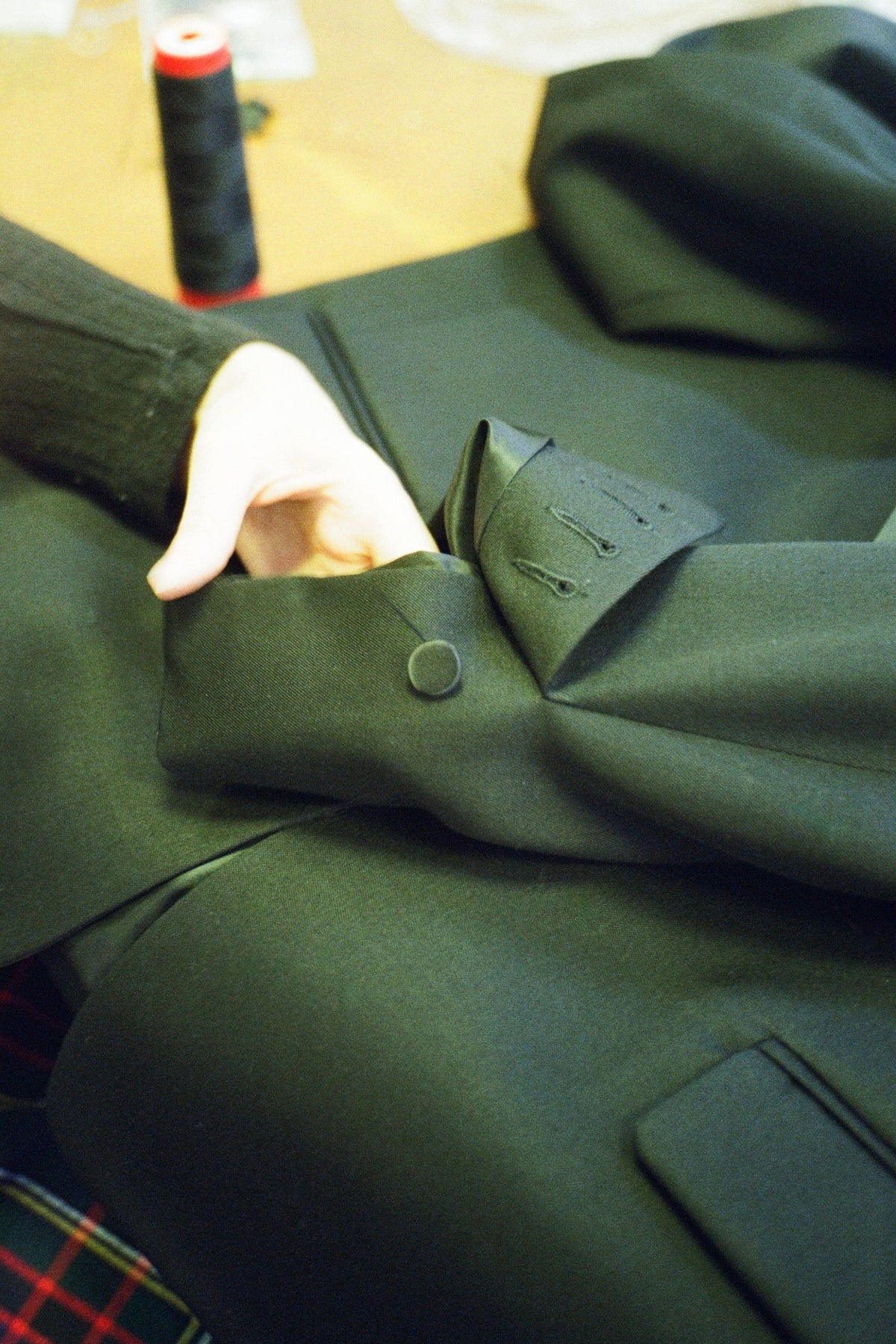
Its Article 60 adopts a simple principle. When a product passes through several countries, it is considered to originate from the country where it underwent its last substantial transformation: a real manufacturing step, carried out in a suitably equipped workshop, which results in a new product. For clothing, this step is manufacturing: cutting, sewing, assembly, and structural finishing.
Raw materials, however, can come from elsewhere. Argentinian leather, Egyptian cotton, or New Zealand wool can make up a GAOPÉ piece, provided that the hand that constructed it is European.
Certain operations, on the other hand, are never sufficient to make a product European: ironing, simple packaging, affixing a label, embroidery, or the superficial assembly of components from elsewhere. However useful they may be, they do not constitute a substantial transformation in the customs sense; therefore, the manufacturing of these pieces is not considered European.
At GAOPÉ, "Made in Europe" refers to the European Union, meaning its member states.
It is this definition that each brand commits to respecting by signing our Commitment Charter, with supporting documents. This is a way to ensure that, on GAOPÉ, "Made in Europe" corresponds to a verified reality rather than a promise.
What we preserve, together
Choosing a piece made in Europe means keeping alive expertise that must not be lost. It means shortening distances, facilitating traceability, and restoring value to the work of those who manufacture.
Above all, it means giving a second wind to an economy that still has so much to offer.